Cross-Game Bonus Flows: Tracing Payment Speeds Through Handheld Poker Tables, Reel Sequences, and Live Roulette Streams
Written by Tina Flores · Aug 5, 2026
Cross-Game Bonus Flows: Tracing Payment Speeds Through Handheld Poker Tables, Reel Sequences, and Live Roulette Streams
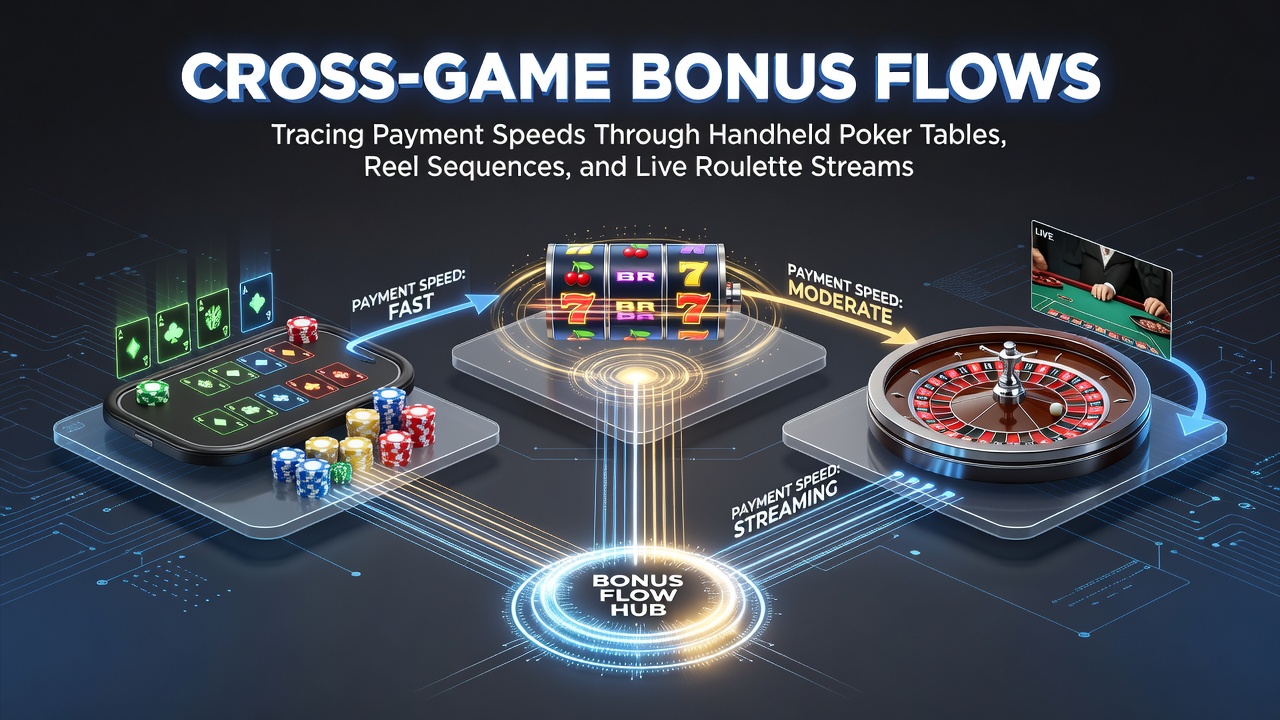
Cross-game bonus flows operate through interconnected systems that move promotional credits between handheld poker applications, slot reel sequences, and live roulette streams in coordinated sequences. These transfers rely on standardized APIs that platforms deploy to synchronize balances across different game environments, and data from industry tracking services indicate average completion times range from 12 to 45 seconds when verification protocols align correctly. In August 2026 several operators updated their middleware layers to reduce latency during peak evening hours, resulting in measurable improvements for users who switch between card tables and spinning reels within single sessions.
Payment Pathways in Handheld Poker Environments
Handheld poker tables process incoming bonuses through wallet integration points that first validate player status then apply funds to active stacks before the next hand begins. Observers note that these steps occur faster on dedicated mobile clients than on browser-based versions because native code handles encryption handshakes more efficiently. Research from the Pennsylvania Gaming Control Board shows that real-money poker apps in regulated markets complete bonus redemptions in under 30 seconds on average when network conditions remain stable, whereas congested connections extend the process by an additional 15 to 20 seconds.
Reel Sequence Integration and Transfer Mechanics
Slot reel sequences accept transferred bonuses through trigger events that activate after a player completes a qualifying spin cycle. The system reads the incoming credit value, adjusts the bet multiplier range accordingly, and then resumes play without requiring an additional confirmation screen in most modern implementations. Those who monitor transaction logs report that reel-based platforms often queue multiple bonus packets simultaneously, allowing seamless continuation across consecutive spins while maintaining separate audit trails for each source game.
Live Roulette Stream Synchronization
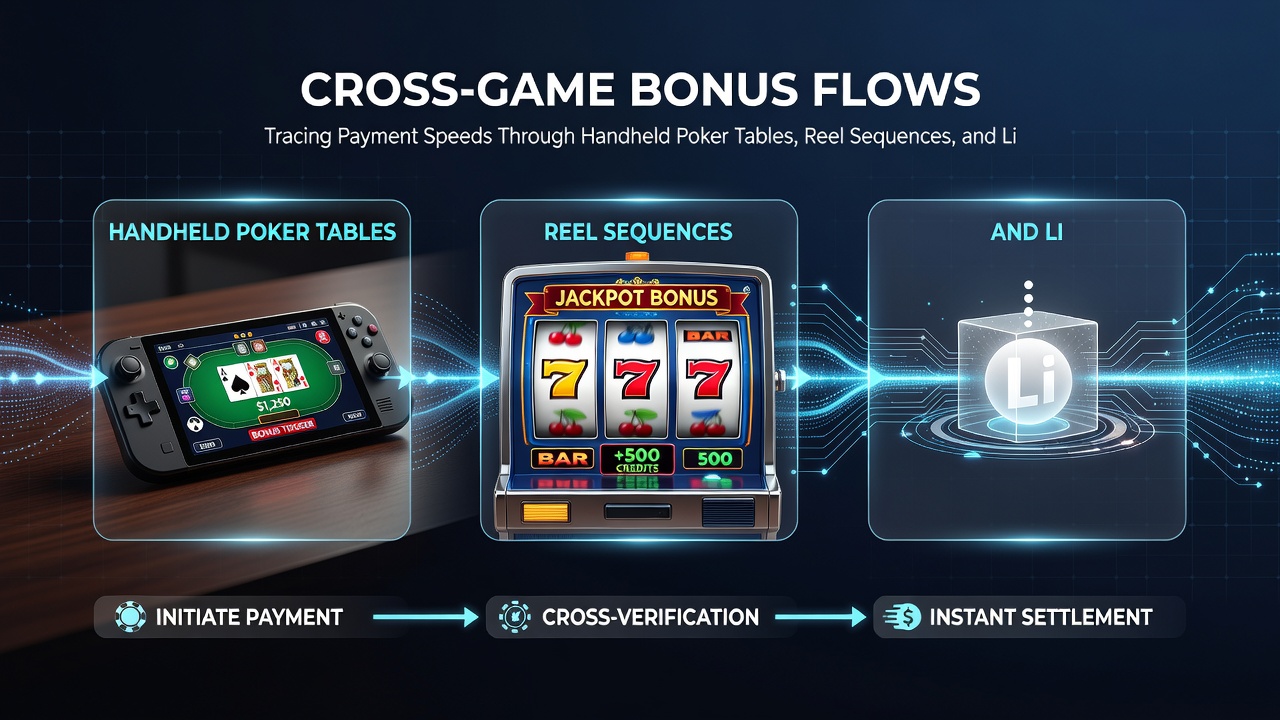
Live roulette streams receive cross-game credits through broadcast overlays that update the visible chip count almost instantly once the backend confirms the transfer. Dealers continue calling bets while the platform processes the incoming amount in the background, and this parallel handling keeps table pace uninterrupted. Reports compiled by the Australian Gambling Research Centre indicate that roulette streams integrated with multi-game wallets achieve sub-20-second credit arrivals during off-peak periods, although simultaneous high-volume transfers from multiple source games can introduce brief delays of up to one minute.
Comparative Speed Data Across Game Types
Comparative measurements collected across operator networks reveal consistent patterns in how quickly bonuses move from one format to another. Poker tables typically register the slowest inbound transfers because they require stack verification against active hand timers, while reel sequences and roulette streams handle the same volume in noticeably shorter windows. Yet the gap narrows when platforms employ unified real-time ledgers that eliminate separate confirmation steps for each game category.
Industry organizations such as the Pennsylvania Gaming Control Board publish quarterly summaries that track these metrics across licensed products. The figures show that operators who maintain separate ledgers for poker, slots, and live tables experience higher variance in transfer times, whereas those using single-ledger architectures report more predictable performance.
Technical Factors Influencing Flow Rates
Network latency, encryption overhead, and concurrent user load all affect the speed at which bonuses appear in the destination game. Handheld devices connected to 5G networks demonstrate shorter average transfer intervals than those on older 4G connections, and this difference becomes more pronounced when multiple bonus streams arrive within the same minute. Platform engineers continue refining queue management algorithms to prioritize time-sensitive transfers during live roulette broadcasts where table rhythm matters most.
Conclusion
Cross-game bonus flows continue to evolve as operators refine the technical connections between handheld poker, reel sequences, and live roulette streams. Payment speed remains a measurable outcome of backend architecture choices, regulatory compliance requirements, and current network conditions. Data collected through 2026 shows incremental gains in consistency, particularly when platforms consolidate ledger systems and optimize for mobile environments.