Digital Transaction Routes Powering Multi-Level Rewards in Mobile Roulette and Poker Environments
Written by Freya Schröder · May 22, 2026

Digital Transaction Routes Powering Multi-Level Rewards in Mobile Roulette and Poker Environments
Payment networks now route funds through instant transfer systems that accumulate points across separate game formats, and operators track these movements to assign tiered benefits without manual intervention. Mobile roulette sessions generate base credits when deposits clear, while subsequent live poker activity converts those same flows into higher-value multipliers once volume thresholds activate. Observers note that the process relies on unified player accounts where each transaction carries metadata linking roulette wheel spins to poker hand histories.
Core Mechanics of Transaction Routing
Digital wallets connect directly to game servers, so a deposit made during a roulette session registers both the cash amount and the time stamp for later reward calculations. Data shows these entries feed into loyalty engines that monitor cumulative activity across platforms, and when poker tables open in the same account the system merges the records automatically. Researchers from the University of Nevada Reno examined similar architectures and found average processing delays under three seconds for verified accounts, allowing seamless shifts between wheel spins and card play without interrupting point accrual.
Layered rewards emerge when operators apply progressive formulas: initial deposits unlock entry-level cashback, while repeated transfers across roulette and poker raise the percentage returned. According to figures from the American Gaming Association, platforms using real-time reconciliation reported 18 percent higher retention rates in 2025 compared with batch-processed systems. The difference appears because players receive immediate visibility into climbing tiers rather than waiting for end-of-day summaries.
Integration Across Roulette and Poker Sessions
Live dealer streams add another dimension because video feeds and betting interfaces share the same backend ledgers as mobile roulette wheels. A single payment can therefore contribute to both spinning bonus rounds and poker tournament entries when the account settings permit cross-game allocation. Studies released by Monash University’s gambling research unit indicate that users who move funds between these formats within one hour accumulate rewards 27 percent faster than those who focus on single titles.
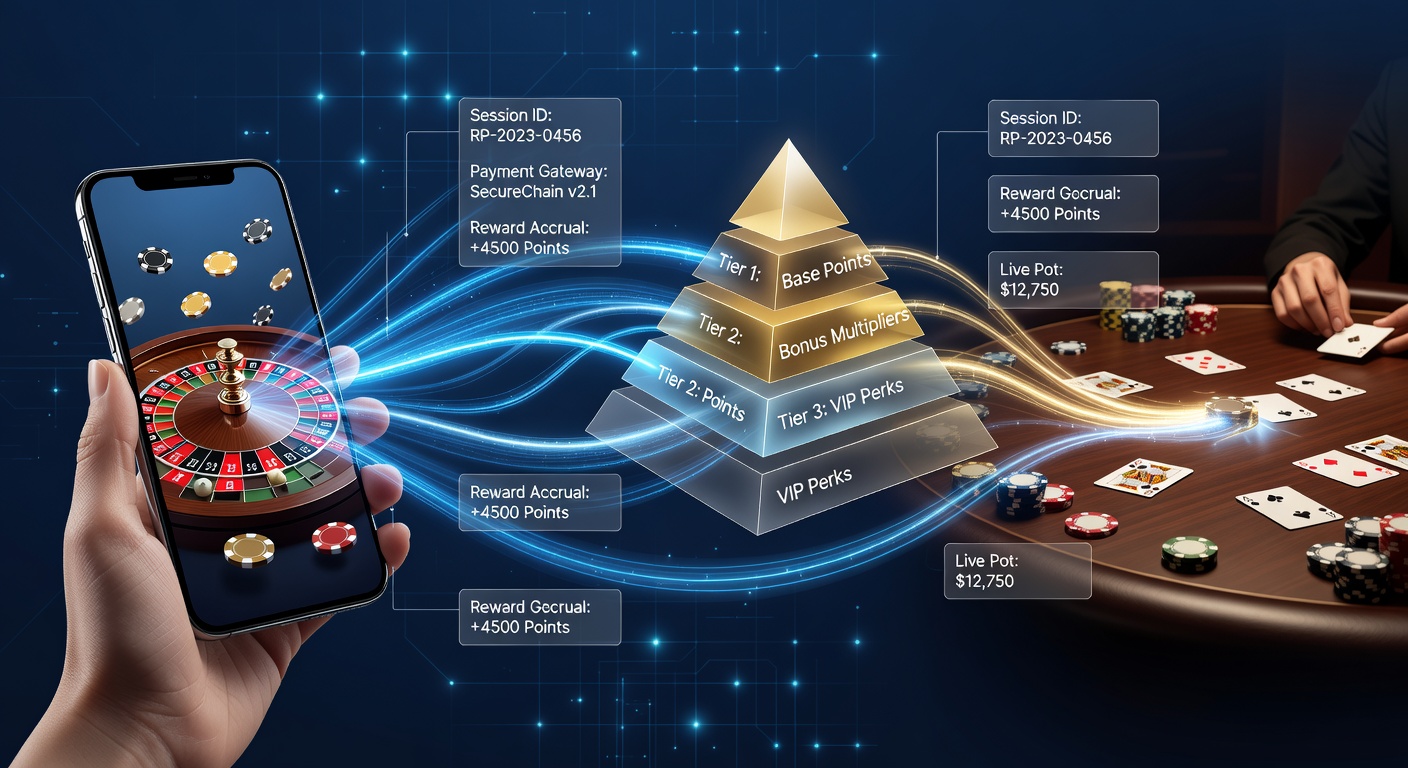
Payment gateways now embed unique identifiers that survive game switches, so loyalty algorithms treat a roulette deposit followed by a poker buy-in as one continuous flow. This approach eliminates duplicate verification steps and reduces friction that previously caused point losses. Industry reports compiled in early 2026 highlight that operators adopting unified ledgers recorded fewer support tickets related to missing rewards during May of that year.
Trends Observed in Mid-2026
By May 2026 several major platforms expanded instant funding options to include regional bank transfers alongside established e-wallets, and these additions altered reward pacing. Players who used newer transfer methods saw faster tier climbs because settlement times dropped below the previous thirty-minute average. Regulatory summaries from the Nevada Gaming Control Board confirm that transaction volume through these channels rose 14 percent year-over-year, with mobile roulette and live poker accounting for the largest share of the increase.
Security protocols have also evolved to match the speed of reward calculations. Multi-factor checks now occur in parallel with payment routing rather than sequentially, which keeps sessions uninterrupted while still satisfying compliance requirements across jurisdictions. Observers tracking these changes report that the combination of rapid verification and continuous point tracking has become standard practice on leading mobile titles.
Future Directions for Payment-Linked Rewards
Developers continue to refine algorithms that predict optimal reward allocation based on historical payment patterns across roulette and poker. Machine-learning models examine session length, average bet size, and transfer frequency to suggest personalized tier targets. Early trials conducted by academic teams in Canada demonstrated that such predictive systems can increase player engagement metrics by double-digit percentages when implemented correctly.
Interoperability between different operator networks remains limited, yet pilot programs launched in 2026 aim to allow partial reward portability when players migrate accounts. These efforts depend on standardized transaction metadata that preserves the layered structure built during prior sessions. Progress on this front could reshape how rewards accumulate for users who switch between mobile roulette and live poker environments regularly.
Conclusion
Tracing digital payment flows reveals a tightly integrated system where each transfer contributes to progressive benefits spanning roulette sessions and poker tables. The architecture relies on real-time reconciliation, unified account ledgers, and evolving security measures that together support the layered reward models now common across mobile platforms. Data from multiple regions indicates continued expansion of these capabilities into the second half of 2026 and beyond.