Digital Transaction Systems Propelling Tiered Incentives in Mobile Table Game Environments
Written by Freya Schröder · May 31, 2026
Digital Transaction Systems Propelling Tiered Incentives in Mobile Table Game Environments
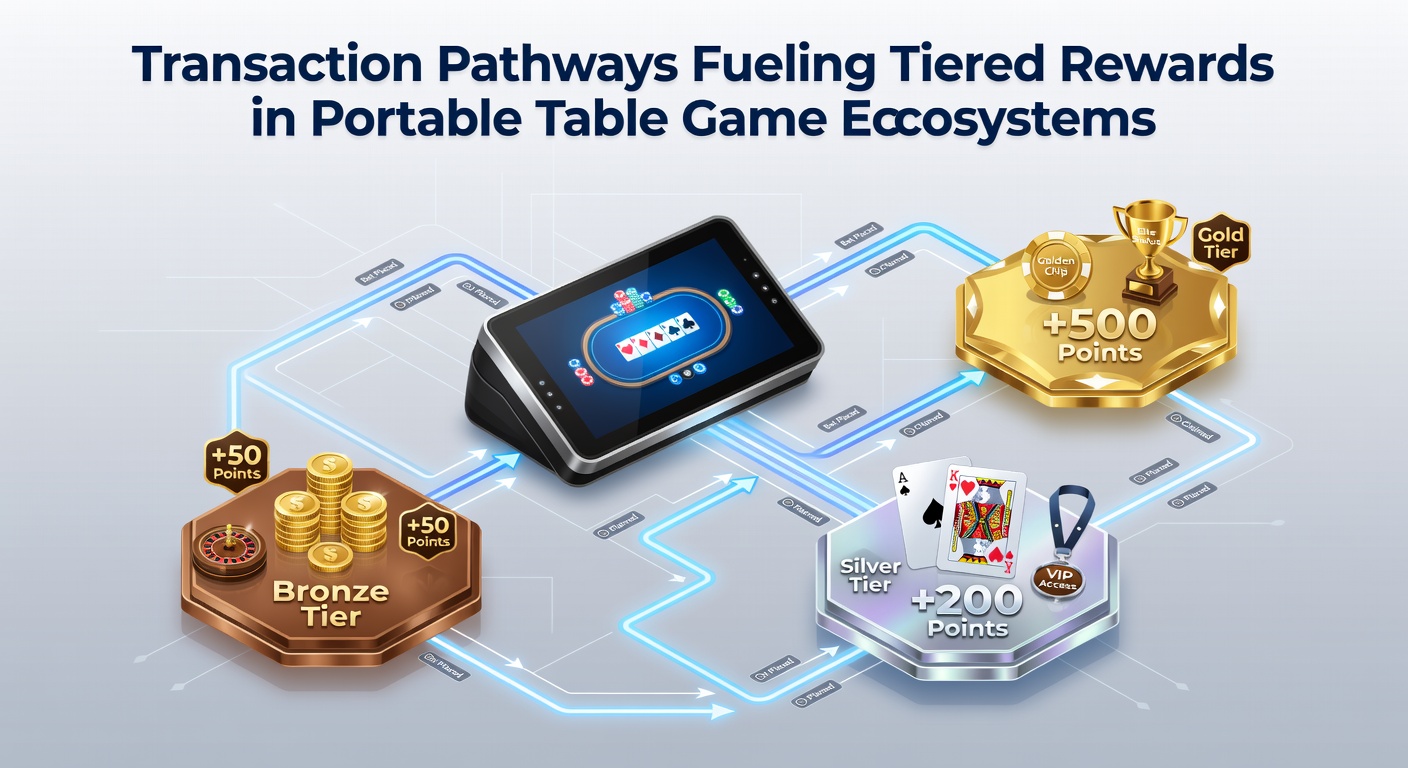
Payment networks now serve as the backbone for reward structures that advance players through multiple tiers in portable table game applications, and these systems rely on rapid fund movements to unlock escalating benefits across blackjack, roulette, and poker sessions on handheld devices.
Operators integrate instant deposit channels with loyalty engines so that each completed transaction feeds directly into tier calculations, and this linkage allows users to climb from entry-level access to premium privileges without separate registration steps. Data from the American Gaming Association shows transaction volumes in mobile table categories grew steadily through early 2026, with many platforms recording higher average session values once tiered incentives activate after the first few transfers.
Core Mechanics of Transaction Pathways
Modern ecosystems route funds through encrypted gateways that communicate in real time with backend servers, and these servers track cumulative spend alongside game-specific activity to determine tier status. Wallet integrations handle deposits from bank accounts, digital currencies, and card networks while embedding metadata that loyalty algorithms use to award points, and this metadata includes timestamps plus game type identifiers that prevent cross-category leakage.
Portable table environments differ from slot-focused apps because each hand or spin carries variable stakes, so pathways must accommodate fluctuating amounts without disrupting reward accrual, and developers achieve this through segmented ledgers that separate base play from bonus multipliers.
Tier Progression Linked to Fund Movements
Entry tiers typically unlock after a modest initial transfer and a set number of table rounds, while mid-level access requires sustained activity measured by both deposit frequency and total wagered amounts, and top tiers demand consistent high-value movements plus retention milestones. Observers note that platforms often reset monthly thresholds yet preserve historical data so returning users retain partial progress, and this continuity encourages repeated engagement across different portable sessions.
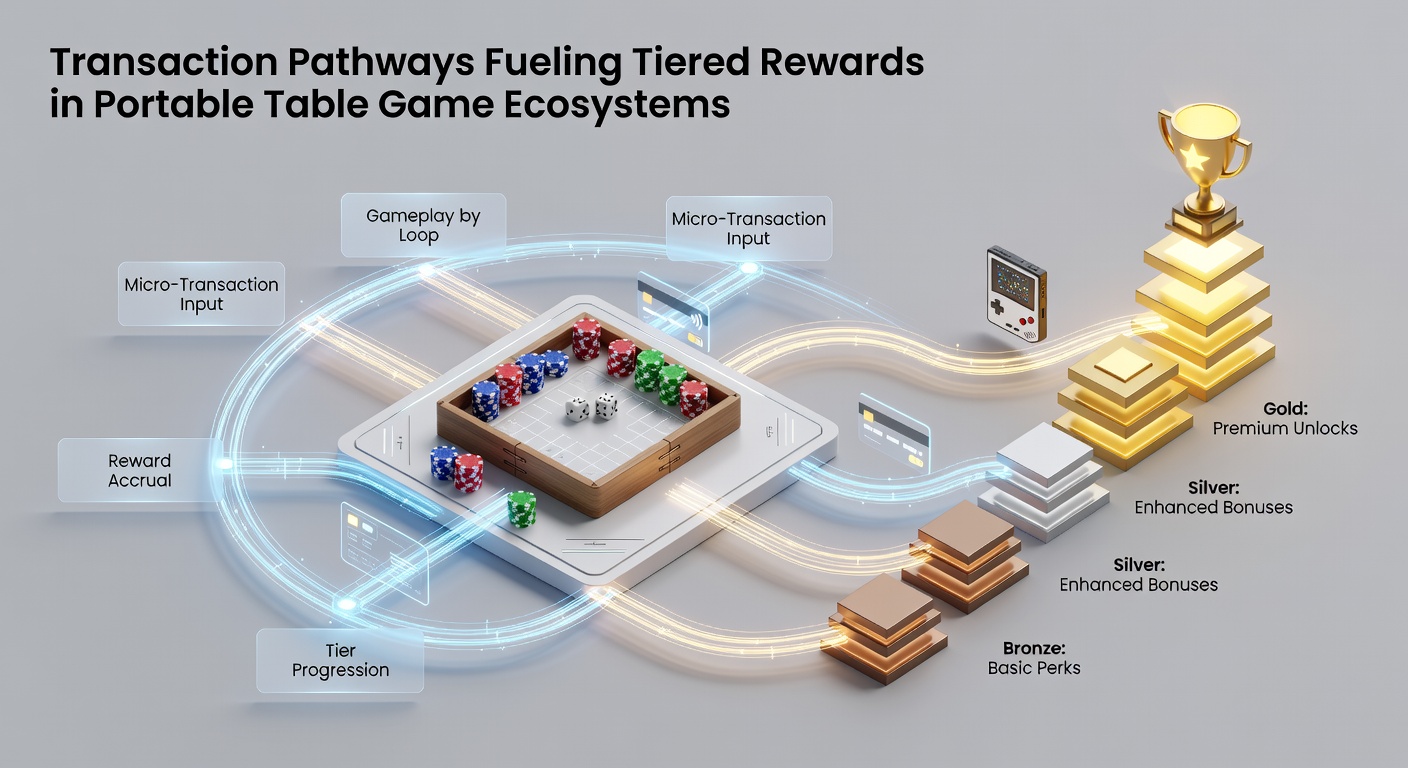
Case examples from North American operators illustrate how a single high-value deposit can accelerate advancement when combined with live dealer participation, and similar patterns appear in European and Asian markets where regulatory frameworks permit such mechanics. Research published by the University of Nevada Reno indicates that players who complete three or more transfers within a thirty-day window show elevated retention rates compared with those who rely on slower funding methods.
Table Game Specific Adaptations
Blackjack pathways emphasize split and double-down transactions because these actions increase effective stake size, and the system registers each adjustment as an additional trigger for point allocation. Roulette implementations focus on bet placement volume rather than individual spin outcomes, allowing steady accumulation even during extended wheel sessions, while poker environments tie rewards to pot contributions and tournament buy-ins processed through the same unified ledger.
Live-streamed dealer tables add another layer because real-time video feeds must sync with payment confirmations to award time-sensitive multipliers, and platforms achieve this through low-latency APIs that update tier meters within seconds of each confirmed transfer.
Regional Patterns Emerging in May 2026
Reports compiled in May 2026 highlight accelerated adoption of multi-currency pathways in markets outside traditional strongholds, with Canadian provincial operators expanding support for instant bank transfers that feed directly into tier engines. Australian frameworks meanwhile emphasize responsible limits on deposit velocity, yet still permit reward progression based on verified activity, and these regional differences shape how global providers configure their portable ecosystems.
Industry associations across multiple jurisdictions continue to publish aggregated figures that track average time from first deposit to next tier unlock, and those metrics reveal consistent compression as wallet technologies mature.
Conclusion
Transaction pathways now function as the primary driver for tiered reward systems within portable table game environments, connecting every fund movement to measurable progress across blackjack, roulette, and poker formats. The architecture relies on synchronized ledgers and real-time metadata exchange that maintains accuracy while supporting variable stakes common to table play. As platforms refine these connections, the relationship between payment speed and reward velocity continues to define user trajectories in mobile settings worldwide.