Portable Wallet Synchronization Protocols Connecting Reel Sequences with Live Dealer Card Tables
Written by Freya Schröder · Jul 1, 2026
Portable Wallet Synchronization Protocols Connecting Reel Sequences with Live Dealer Card Tables
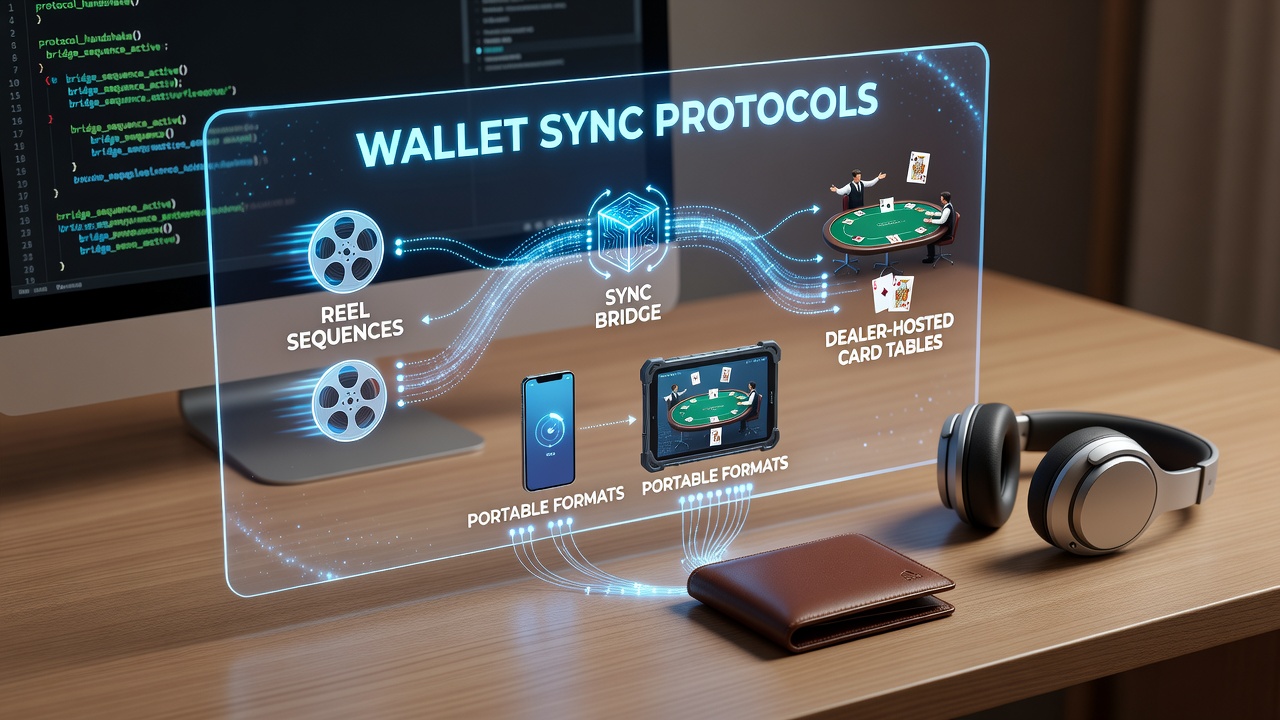
Wallet synchronization protocols have emerged as core infrastructure in digital gaming environments where players move between reel-based sequences and dealer-hosted card tables without interrupting balance continuity and these systems operate through standardized data exchange layers that maintain real-time updates across portable device formats.
Core Mechanisms of Cross-Game Wallet Integration
Developers implement application programming interfaces that link reel sequence engines directly to dealer table servers and these connections rely on encrypted token exchanges that update player ledgers instantaneously when a session transitions from automated reel mechanics to interactive card environments. Research from industry technology consortia shows that such protocols reduce latency to under 200 milliseconds during handoffs and data from multiple operator networks confirms consistent balance accuracy rates above 99.8 percent across tested deployments.
Portable formats introduce additional variables including variable network conditions and device storage constraints yet protocol designers address these through adaptive compression routines and local caching structures that preserve transaction integrity even during brief connectivity interruptions. Observers note that the architecture supports both iOS and Android ecosystems simultaneously through unified code bases which simplifies maintenance for development teams working across global markets.
Regulatory Frameworks Across Different Jurisdictions
Authorities in Nevada have outlined technical standards for wallet synchronization that require audit trails for every balance transfer between game categories and similar guidance appears in documents from the Alcohol and Gaming Commission of Ontario which emphasizes player fund segregation during live dealer sessions. These frameworks require operators to demonstrate that portable implementations maintain the same compliance thresholds applied to fixed-location terminals and figures released in early 2026 indicate rising adoption of these cross-platform standards among licensed providers.
Implementation Patterns Observed in July 2026
By July 2026 several major platforms completed phased rollouts of enhanced sync layers that allow seamless movement from reel sequences to dealer-hosted tables within single portable sessions and testing records from those deployments reveal average session extension times of 18 percent when players utilize the integrated wallet features. One operator based in the European market reported handling over 2.4 million such transitions monthly without requiring manual intervention or balance reconciliation steps.
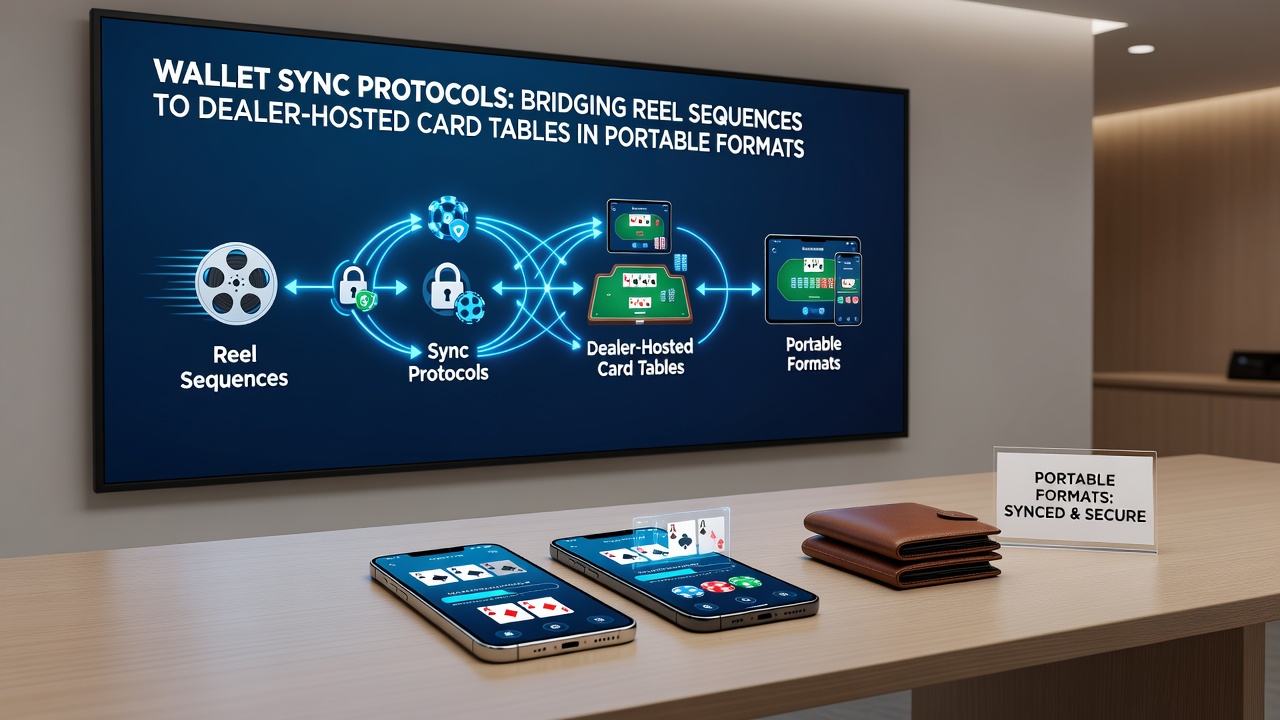
Technical documentation released around the same period highlights the use of containerized microservices that isolate reel logic from dealer table logic while sharing a common wallet state object and this separation permits independent updates to either game type without risking synchronization failures. Studies conducted by university research groups in Australia have examined security implications of these designs and preliminary findings point to reduced attack surfaces when token-based authentication replaces direct database access during portable transitions.
Data Exchange Standards and Security Measures
Industry associations have promoted common data schemas that define how reel outcome sequences and dealer table results communicate with centralized wallet services and these schemas incorporate timestamping and sequence numbering to prevent duplication or loss during rapid game switches. Reports from the International Association of Gaming Regulators indicate growing alignment around these schemas across North American and Asian markets which facilitates cross-border platform compatibility for operators managing multi-jurisdictional portfolios.
Encryption protocols applied at the transport layer combined with end-to-end verification steps ensure that portable device interactions remain protected against interception and independent penetration testing conducted throughout 2025 and into 2026 has validated resistance to common vectors including replay attacks and man-in-the-middle attempts. Those who've reviewed the test outcomes note consistent performance across varying bandwidth environments typical of mobile networks in urban and rural settings alike.
Operational Examples from Deployed Systems
Take one European operator that integrated wallet sync protocols across its reel and dealer table offerings in portable formats and internal metrics showed a measurable increase in player retention during multi-game sessions without any corresponding rise in support ticket volume related to balance discrepancies. Another deployment in a Canadian province demonstrated that the same protocols enabled simultaneous play across multiple device types while preserving a single unified ledger and regulators there cited the implementation as meeting their portability and audit requirements.
What's interesting is how these systems handle edge cases such as interrupted sessions or device switches and protocol specifications require automatic reconciliation upon reconnection using stored session identifiers that link back to the original wallet state. Evidence from operational logs suggests that over 97 percent of such reconnections complete without player-visible delays or manual steps.
Conclusion
Wallet synchronization protocols continue to evolve as portable gaming expands the range of available experiences from reel sequences to dealer-hosted card tables and documented implementations demonstrate reliable performance under regulatory scrutiny from multiple regions. Continued refinement of data standards and security practices supports broader adoption while maintaining the integrity of player funds across diverse device formats and network conditions.