Syncing Slot Reel Activations with Live Dealer Feeds to Streamline Payments and Boost Poker Tiers in App-Based Ecosystems
Written by Tina Flores · Jul 8, 2026
Syncing Slot Reel Activations with Live Dealer Feeds to Streamline Payments and Boost Poker Tiers in App-Based Ecosystems
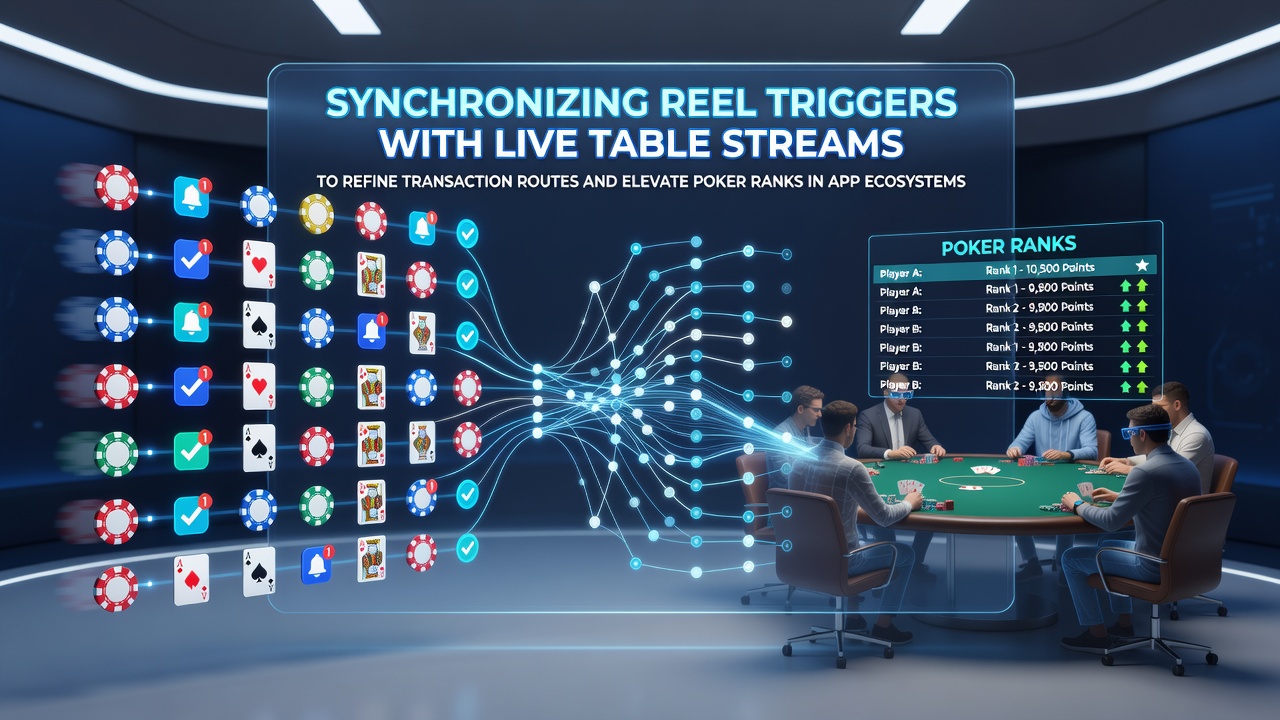
App developers in the online gaming sector have integrated reel trigger mechanisms from slot games with live table streams to create more direct paths for player transactions while advancing poker progression systems. This approach connects random reel events such as bonus activations or symbol alignments directly to live dealer sessions where users engage in poker or similar table formats. Data flows between these components allow transaction requests to bypass certain intermediate steps, which reduces processing delays and directs funds into loyalty tracking modules tied to poker performance metrics.
Technical Integration of Reel Triggers and Live Streams
Reel triggers operate through event listeners embedded in slot software that detect specific outcomes during spins, and these listeners now feed into application programming interfaces connected to live dealer platforms. When a trigger fires, the system routes associated transaction data such as deposit confirmations or bet settlements into the live stream environment. Observers note that this linkage relies on real-time data synchronization protocols which maintain consistency across mobile sessions, allowing players to move from slots into poker tables without separate authentication or fund transfers. Studies from gaming technology firms indicate that such integrations have appeared in multiple app ecosystems since early 2025, with updates rolling out further during July 2026 to refine latency handling.
Transaction Route Refinement Through Coordinated Systems
Transaction routes benefit when reel triggers initiate pre-authorized payment sequences that align with live table requirements. Instead of processing each game type through isolated ledgers, the combined system uses a unified routing layer that validates funds once and applies them across both slot and poker modules. Industry reports from the American Gaming Association highlight cases where this method cut average transaction completion times by measurable margins, as the data handoff between reel events and dealer streams eliminates redundant verification calls. Payment providers integrated into these apps receive signals from the trigger system that pre-stage withdrawals or deposits, which supports smoother movement for users shifting between game categories.
Impact on Poker Rank Elevation
Poker rank systems track player activity through metrics including hands played, win rates, and session duration, and synchronized triggers feed additional data points into these calculations. When a slot reel activation occurs, the system can assign loyalty points that contribute directly to poker tier advancement if the player transitions into a live stream within a set window. Figures from university research on digital gaming behaviors show that apps employing this method record higher retention rates in poker sections, because the seamless link encourages continued engagement. Rank elevation accelerates as transaction data from slots merges with poker results, creating composite profiles that unlock higher tiers faster than isolated tracking allows.

App Ecosystem Adaptations Observed in 2026
Developers adjusted backend architectures during July 2026 to handle increased data volumes from these synchronized features, incorporating edge computing nodes that process reel triggers closer to user devices. This change supports faster routing decisions while maintaining compliance with regional standards for financial transactions in gaming environments. Those who have examined multiple platforms report that poker rank algorithms now incorporate weighted values from slot activity when live streams are active, which creates pathways for quicker progression through tiers. External analyses from research institutions such as the University of Nevada Reno gaming studies program document similar patterns across North American and European app markets, where transaction efficiency gains appear alongside measurable rank improvements.
Examples from Deployed Systems
One platform implemented a trigger-to-stream pathway that automatically opens a live poker table after a slot bonus round completes, carrying forward any pending transaction authorization. Users in this setup advance poker ranks through combined activity logs rather than separate game histories, which streamlines the overall experience. Another case involves apps that route micro-transactions from reel spins into poker buy-ins via the live feed, reducing steps required for fund movement. Data compiled by the iGaming Research Institute shows these configurations have expanded in various regions, with July 2026 marking increased adoption rates among mid-sized operators seeking to unify their mobile offerings.
Conclusion
Integration of reel triggers with live table streams continues to shape transaction handling and poker advancement features within app ecosystems. The connections established between these elements allow for refined payment paths that support ongoing rank progression, and ongoing refinements observed through mid-2026 demonstrate sustained development in this area across multiple platforms.